
When your legs ache at the end of the day, or you notice unexplained swelling around your ankles, it’s tempting to chalk it up to fatigue, getting older, or just “being on your feet too long.” But these symptoms may point to something deeper: an early stage of venous disease. At Vein Specialists of the South, we’ve spent decades helping patients identify these subtle signs before they progress into painful, life-altering conditions.
Recognizing the early warning signs is the first step to protecting your health and mobility. Let’s explore what to look for, why it happens, and what you can do.
What Is Venous Disease?
Venous disease refers to conditions that impair the veins’ ability to return blood from your legs back to your heart. Usually, small one-way valves inside your veins keep blood moving upward against gravity. When these valves weaken or fail, blood begins to pool in the lower legs, leading to increased pressure, swelling, and visible changes on the skin.
Common types of venous disease include:
- Chronic venous insufficiency (CVI): The most common form, marked by swelling, aching, and skin changes.
- Varicose veins: Enlarged, twisted veins caused by faulty valves.
- Spider veins: Smaller, surface-level veins that often signal early issues.
- Deep vein thrombosis (DVT): A serious condition characterized by the formation of blood clots in the deep veins.
Left untreated, venous disease can progress into more serious complications, such as venous ulcers.
Early Warning Signs You Shouldn’t Ignore
Venous disease develops gradually, often starting with subtle symptoms that seem harmless. Pay attention if you notice:
- Leg Swelling: Swelling around the ankles or calves, especially after standing or sitting for long periods of time.
- Aching or Heaviness: Legs that feel tired, achy, or weighted down at the end of the day.
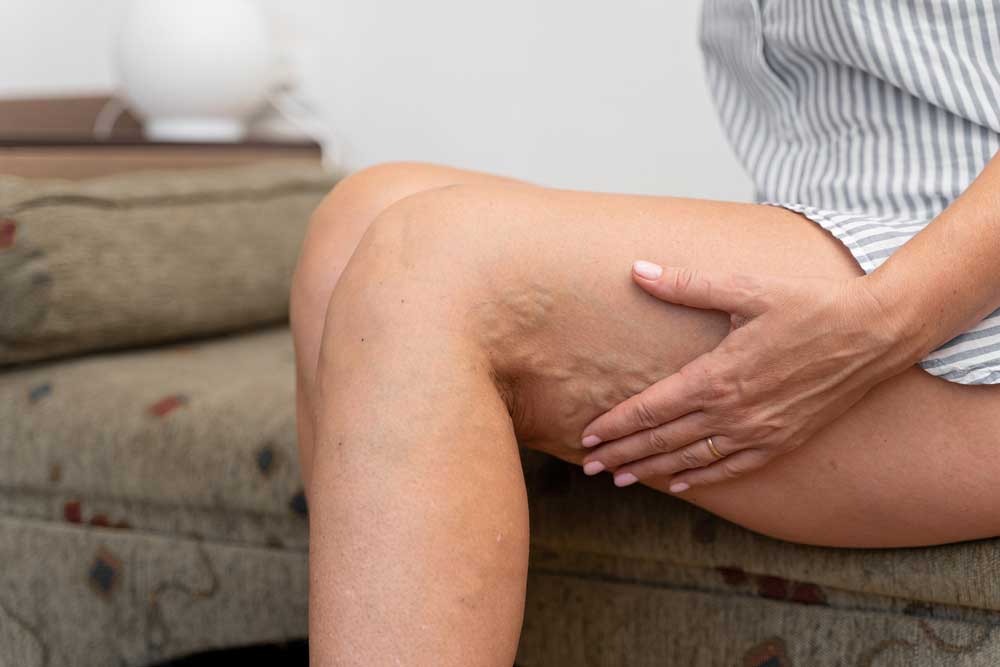
- Visible Veins: The appearance of spider veins or bulging varicose veins.
- Skin Discoloration: Brown, red, or bluish patches around the ankles or lower legs.
- Itching Sensations: Skin that feels irritated, dry, tight or itchy.
- Restless Legs: An urge to move your legs at night, sometimes paired with cramping.
- Slow-Healing Sores: Cuts or scrapes on the lower legs that take longer than usual to heal.
Who Is Most at Risk?
Venous disease can develop in anyone, but some people are more prone to it than others. Certain health factors and everyday habits can make the veins work harder than they should, which increases the likelihood of problems over time.
- Family history: Genetics play a major role in vein health.
- Age: Risk increases as you get older, especially after age 40.
- Gender: Women are more likely to develop vein problems due to hormones and pregnancy.
- Pregnancy: Increased blood volume and pressure on the veins during pregnancy can trigger early venous disease.
- Occupation: Jobs that involve long hours of standing or sitting can strain your veins.
- Obesity: Extra weight puts additional pressure on leg veins.
- History of blood clots: Increases your risk for future venous disease.
If you fall into one or more of these categories, being proactive about leg health is especially important.
Quick Self-Check: Are Your Legs Trying to Tell You Something?
Sometimes the body gives small warnings long before a condition becomes serious. If you’re not sure whether your symptoms could be vein-related, use this simple checklist as a starting point:
- My legs swell by the end of the day
- I feel heaviness or fatigue in my legs
- I’ve noticed new visible veins or skin color changes
- My lower legs itch, burn, or feel restless
If you checked even one of these boxes, your veins may be asking for attention. The best next step is to get evaluated by a vein specialist before symptoms progress.
Why Early Evaluation Matters
Ignoring the warning signs of venous disease doesn’t just mean living with discomfort. It can allow the condition to silently progress beneath the surface. What may begin as mild swelling or occasional heaviness can gradually lead to lasting damage in your veins and skin. Over time, untreated vein problems may result in:
- Increased swelling and discomfort
- Thickened, leathery skin
- Painful venous ulcers
- Higher risk of blood clots
On the other hand, early intervention can:
- Improve circulation and comfort
- Prevent complications
- Enhance mobility and quality of life
- Offer minimally invasive, ‘Walk In. Walk Out.’ treatment options
At Vein Specialists of the South, we use advanced tools to uncover the cause of your symptoms and create a customized treatment plan.
Modern Vein Treatments
Today’s vein treatments are more effective and far less invasive than the surgical procedures of the past. Now, most procedures are performed in the comfort of an outpatient clinic with little to no downtime. Depending on your diagnosis, we may recommend options such as:
Endovenous Radiofrequency Thermal Ablation (RFA) and Endovenous Laser Ablation (EVLA)
Using a thin catheter, gentle heat energy is applied inside the vein wall. This causes the diseased vein to collapse and close, allowing blood to naturally reroute to healthier veins. Most patients notice lighter, less achy legs within weeks.
Varithena®
Varithena is an FDA-approved injectable foam treatment for use in the great saphenous vein (GSV) and surrounding veins. Using ultrasound guidance and a small catheter, the foam sclerosant is injected into the unhealthy vein. The procedure takes one hour or less.
Microambulatory Phlebectomy
This minimally invasive approach combines endovenous ablation (when needed) with ambulatory phlebectomy. The combination of these techniques immediately removes the painful, unsightly varicose veins and corrects the saphenous reflux.
Cosmetic Sclerotherapy
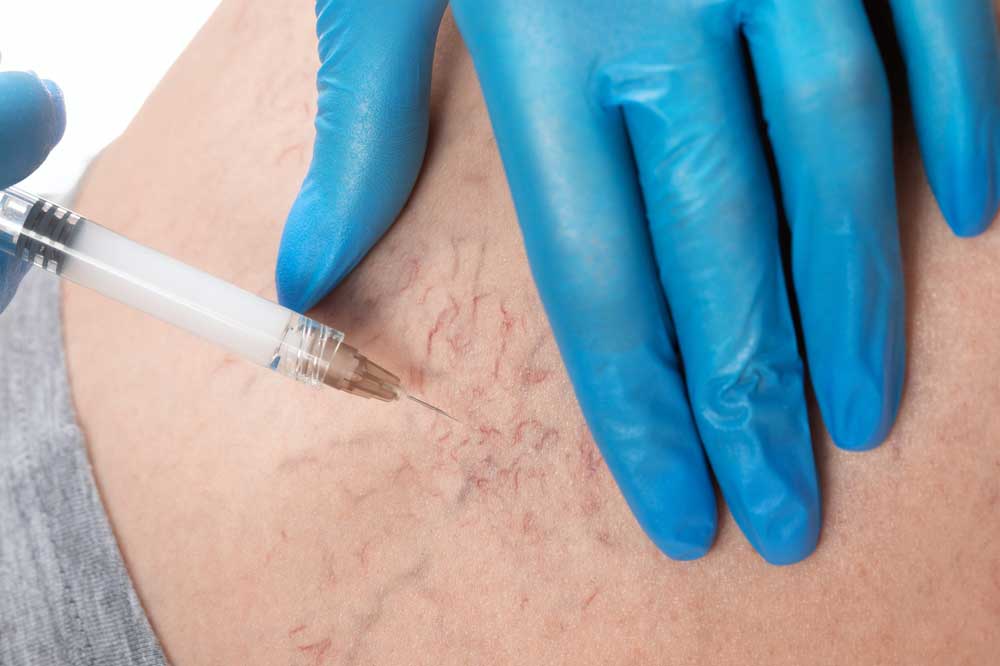
Sclerotherapy is a safe, quick injection therapy where a medicated solution is introduced into your vein, causing it to seal shut and fade away. It’s particularly effective for spider veins and smaller varicose veins, with visible improvement after just a few sessions.
Compression Therapy
While not a cure, prescription-grade stockings support healthy circulation, reduce swelling, and relieve daily discomfort. They are recommended as part of a broader treatment plan.
Addressing Cost Concerns: Insurance Coverage
One of the biggest fears patients have is the cost of treatment. Fortunately, most vein procedures are considered medically necessary, not cosmetic. That means insurance often covers the evaluation and treatment.
At Vein Specialists of the South, we accept most insurance plans. Coverage varies by provider, so the best way to know if you qualify is to call our office at (478) 743-2472. Our team is happy to walk you through your benefits so you can move forward with confidence.
Take Control of Your Leg Health Today
Venous disease is common, but it doesn’t have to control your life. The earlier you take action, the easier it is to restore your comfort and prevent long-term damage.
Get evaluated today at Vein Specialists of the South in Macon and Warner Robins, GA, and take the first step toward healthier legs and lasting relief. Don’t wait until symptoms progress—schedule your consultation with us.