If you’ve been searching for a solution to unsightly varicose veins or stubborn spider veins, you’ve probably already heard about endovenous thermal ablation, and for good reason. This minimally invasive treatment has propelled the world of vein care into a brighter future, offering every patient a safe and effective alternative to traditional vein stripping surgery. But how exactly does endovenous thermal ablation work, and how can you know if it is right for you?
At Vein Specialists of the South, we’ve performed thousands of endovenous procedures over our 25+ years of providing comprehensive vein care. We’re here to walk you through everything you need to know about endovenous thermal ablation and why it’s become one of the most trusted treatments for vein disease.
What Is Endovenous Thermal Ablation?
Endovenous thermal ablation is a minimally invasive procedure that uses heat energy to seal problematic veins from the inside. The treatment targets malfunctioning veins, often including the great saphenous vein (GSV) or short saphenous vein (SSV), that cause blood to flow backward instead of toward the heart. By closing off these damaged veins, blood is naturally redirected to healthier veins, eliminating symptoms and improving both appearance and comfort.
The procedure uses either radiofrequency energy or laser energy to generate controlled heat within the vein. A thin catheter is inserted into the affected vein through a tiny entry point, often no larger than the tip of a pen. Once positioned correctly with the help of ultrasound guidance, the catheter delivers precise thermal energy that causes the vein walls to collapse and seal shut. Over time, the body naturally absorbs the closed vein, which disappears completely as blood is rerouted through healthier nearby veins.
Why Endovenous Thermal Ablation Is a Game-Changer
Traditional vein stripping procedures require general anesthesia, hospital stays and lengthy recovery periods. Endovenous thermal ablation, by contrast, allows for a much gentler approach that includes the following benefits:
Minimally invasive approach: Only a small needle insertion is required, as opposed to surgical incisions. This means less scarring and faster healing.
Local anesthesia only: You remain awake and comfortable throughout the procedure, eliminating risks associated with general anesthesia.
Immediate relief: Many patients notice improvement in symptoms like aching, heaviness and swelling within days of treatment.
High success rate: Studies show success rates of 95-98% for closing treated veins, with most patients experiencing long-lasting results.
Minimal downtime: Unlike surgery, which requires weeks of recovery, most patients return to normal activities within 24 hours.
Who Is Endovenous Thermal Ablation For?
Endovenous thermal ablation is particularly effective for treating both spider veins and varicose veins, especially when these conditions are caused by underlying venous insufficiency.
Treating Varicose Veins
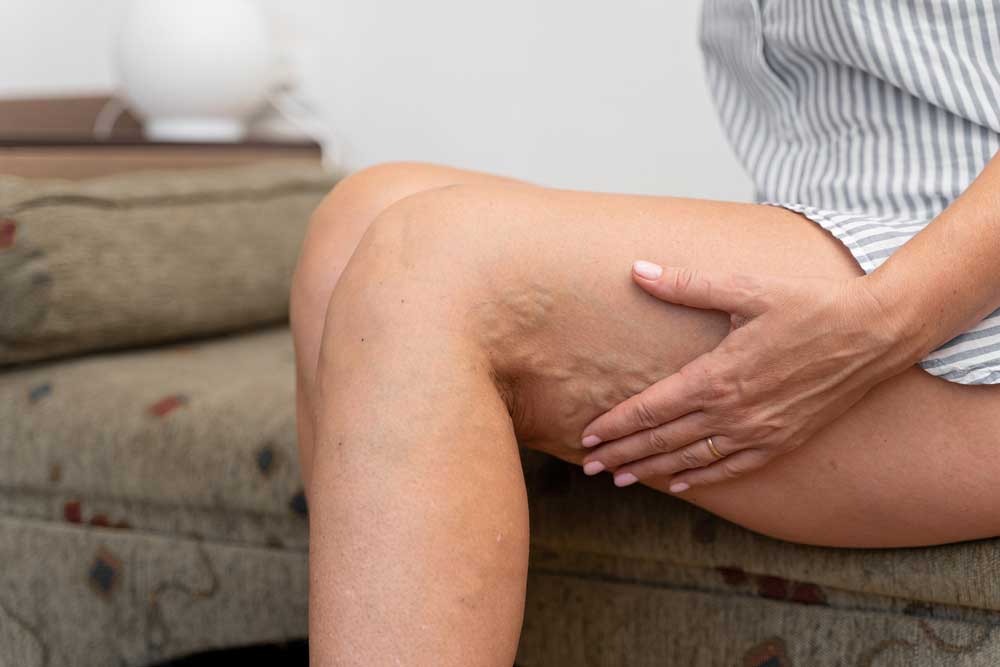
Varicose veins are bulging, twisted veins that often protrude above the skin’s surface, typically appearing blue or purple in color. They form when the backflow prevention valves inside the veins weaken or become damaged, allowing blood to pool in the vein. This backward flow, called reflux, causes increased pressure that stretches and distorts the vein walls.
If you’re experiencing any of these symptoms, endovenous thermal ablation may be an appropriate treatment option for you:
- Aching or throbbing pain in the legs
- Heaviness or fatigue, especially after standing
- Swelling in the legs or ankles
- Burning or cramping sensations
- Restless legs at night
- Skin discoloration near affected veins
- Visible, bulging veins that cause cosmetic concerns
Endovenous thermal ablation specifically targets the source of the problem: the malfunctioning saphenous veins that feed the visible varicose veins. By addressing the root cause of reflux, the procedure not only eliminates existing varicose veins but also helps prevent new ones from developing.
Addressing Spider Veins
While spider veins are smaller than varicose veins, they can still cause aesthetic concerns and mild discomfort. Spider veins often develop as a result of underlying venous insufficiency in larger veins.
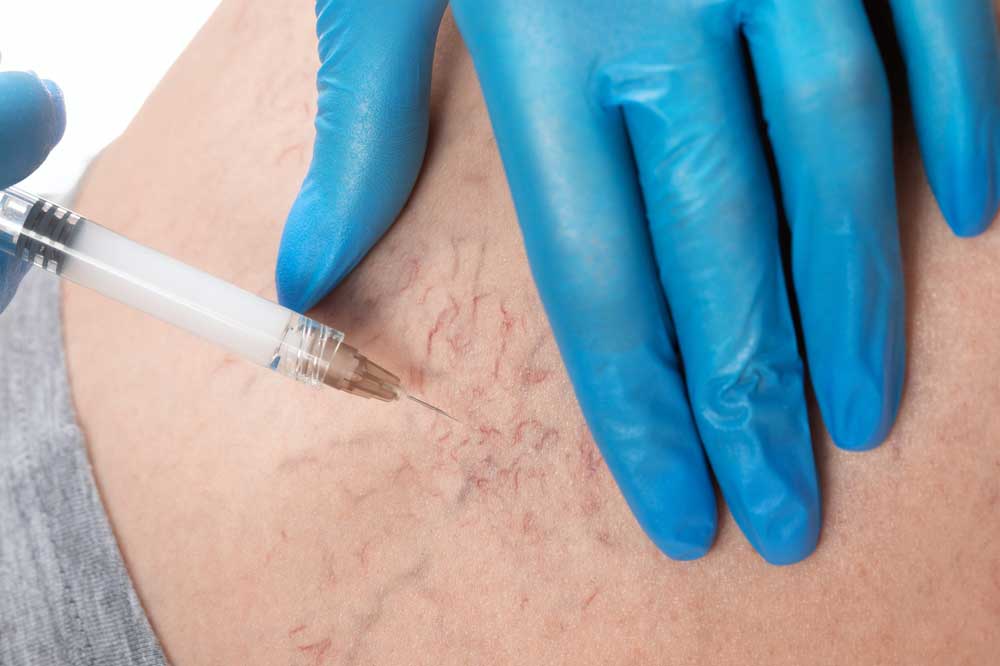
When spider veins are connected to refluxing saphenous veins, treating the larger “feeder vein” with endovenous thermal ablation can dramatically improve or even eliminate the smaller spider veins. In many cases, we’ll use thermal ablation to address the primary vein issue, then follow up with sclerotherapy or laser therapy to treat any remaining surface spider veins for comprehensive results.
This combination approach ensures that we’re not just treating visible symptoms but addressing the underlying venous disease that caused the spider veins to develop in the first place.
What to Expect from the Treatment Process
Initial Consultation and Diagnosis
The first step in creating a targeted and effective approach to spider or varicose veins is a thorough consultation. Our board-certified vein specialists will review your medical history, examine your veins and perform a venous ultrasound to map your venous system.
Ultrasound mapping is a crucial part of the process, as it allows us to see exactly where blood flow is compromised and which veins need treatment. As an IAC-accredited vascular ultrasound lab, you can trust that our diagnostic imaging and interpretation meet the highest industry standards for accuracy and quality.
The Day of Your Procedure
On the day of your treatment, wear comfortable, loose-fitting clothing. The procedure takes place in our comfortable office setting.
Here’s what happens during the treatment:
- The treatment area is cleansed and marked using ultrasound guidance
- Local anesthesia is administered to numb the area completely
- A small needle puncture is made to access the vein
- A thin catheter is inserted and positioned using ultrasound imaging
- Tumescent anesthesia is injected around the vein for comfort and protection of the surrounding tissues
- Thermal energy is delivered as the catheter is slowly withdrawn, sealing the vein along its length
- Light compression is applied, and you’re fitted with compression stockings
Most patients report feeling minimal discomfort during the procedure, likening the sensation to a slight tugging or a feeling of warmth.
Recovery and Results
You’ll walk out of our office immediately after the procedure and can resume most normal activities right away. We do recommend avoiding strenuous exercise and heavy lifting for about a week.
You’ll need to wear compression stockings for a predetermined amount of time, typically one to two weeks, to support healing and optimize results. Walking after your treatment is encouraged, as it promotes healthy circulation and aids in recovery.
Most patients notice improvement in symptoms within days, with continued improvement over the following weeks as the treated vein is absorbed by the body. The cosmetic benefit becomes more visible within three to six months as any surface varicose veins shrink and fade.
Why Choose Vein Specialists of the South for Endovenous Thermal Ablation
Our team at Vein Specialists of the South introduced minimally invasive vein procedures to Georgia, performing the state’s first endovenous closure procedure in the early 2000s. Our commitment to innovation, combined with over 25 years of experience and thousands of successful procedures, makes us leaders in advanced vein care.
Our team includes board-certified specialists with extensive training in vascular medicine. Dr. Kenneth Harper was one of the first physicians to become a Diplomat of the American Board of Venous and Lymphatic Medicine and is also Board Certified by the American Board of Surgery.
We don’t just treat veins. We educate other providers. Physicians from throughout the country come to our Comprehensive Vein Training Center to learn advanced vein treatment techniques from our specialists.
Take the First Step Toward Better Veins for Life
If you’re tired of living with painful, unsightly varicose veins or frustrated by persistent spider veins, endovenous thermal ablation may be the solution you’ve been searching for. This proven, minimally invasive treatment offers excellent results with minimal downtime, helping you achieve healthier, more comfortable legs.
Don’t let vein disease hold you back from enjoying life to the fullest. Our team at Vein Specialists of the South is committed to providing the best vein care designed to meet each patient’s unique needs.
Call (478) 743-2472 now or complete our online form to schedule your consultation and discover how endovenous thermal ablation can help you achieve Better Veins for Life.
Frequently Asked Questions
How long does the procedure take?
Endovenous thermal ablation typically takes 45 to 60 minutes, depending on the size and location of the vein being treated. The procedure is performed in our office, and you’ll walk out the same day.
What is the recovery time?
Recovery is quick compared to traditional vein surgery. Most patients return to normal activities within 24 hours. You’ll need to wear compression stockings for one to two weeks and avoid strenuous exercise for about a week.
Are the results permanent?
The treated vein is permanently closed and will not reopen. However, underlying venous disease may cause new veins to develop over time. Following your doctor’s recommendations for lifestyle modifications and wearing compression stockings as directed can help prevent new vein problems.
Is endovenous thermal ablation covered by insurance?
Many insurance companies cover endovenous thermal ablation when it’s medically necessary to treat symptomatic varicose veins. Our team will work with you to verify your coverage and discuss your payment options during your consultation.
How soon will I see results?
Many patients notice improvement in symptoms like pain and swelling within days of treatment. Cosmetic improvements become more apparent over three to six months as the treated vein is absorbed by the body and any surface varicose veins fade.
Can both legs be treated at the same time?
In most cases, we treat one leg at a time to ensure optimal healing and your comfort. If both legs require treatment, we typically schedule procedures several weeks apart.
Will I need additional treatments?
While the primary vein is treated with endovenous thermal ablation, some patients may benefit from additional treatments like sclerotherapy or laser therapy to address remaining branch veins or spider veins.