The short answer? No.
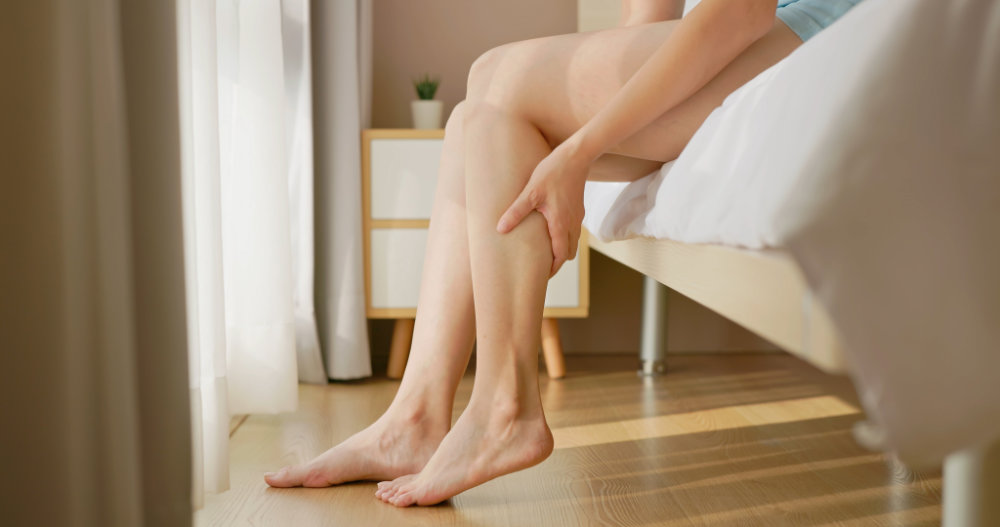
While leg pain can certainly be your body’s way of warning you about venous disease, there are several other issues affecting completely different systems and tissues within that area of the body that may be to blame. Damage to or dysfunction of muscle tissue, tendons, ligaments, nerves in your legs/back or arterial blockages can also cause leg pain. Sometimes, you can have multiple sources of your pain. This makes it very important to pinpoint the exact cause of your concerns.
At Vein Specialists of the South, we have your overall health in mind. We’ve seen cases in which the underlying cause of a patient’s leg pain was actually not related to vein problems. We’ve also seen the opposite: patients who thought their pain was muscle soreness when it was actually a venous problem. How can you tell the difference, and when should you seek professional treatment? It starts by understanding the most common causes of leg discomfort.
Why Does My Leg Hurt?
Venous Insufficiency
Your vein health depends on all 3 parts of your venous system working together. The veins are the conduits through which your blood flows to return to your heart. Activating your leg muscles by walking is the pump or heart of your venous system that propels the blood up your veins even when sitting or standing. And the one-way check valves keep your blood moving in the right direction.
If one or more of these parts of your venous system are unhealthy, your risk of symptomatic vein problems increases. Over time, this causes a pressure buildup that can lead to symptoms of aching, feelings of heaviness in the legs, throbbing, swelling, burning, stinging, leg cramps and restless legs. Because these symptoms tend to worsen with prolonged standing or sitting, many people mistake venous insufficiency for everyday soreness (like after a work shift).
- When your veins are damaged from an injury of a blood clot or scarring can slow your blood return.
- When your activity level is limited due to illness, injury or surgery, the heart of your venous system is impacted.
- When your one-way valves in your leg veins aren’t working properly, blood is allowed to flow backward and pool in the veins.
Peripheral Artery Disease (PAD)
While PAD is also characterized by poor circulation, this issue affects the arteries instead of the veins. Narrowed arteries restrict blood flow to the legs, often causing cramping pain that tends to worsen with exercise (claudication). PAD treatment requires targeted medical care, lifestyle modification and, in some cases, procedures or medications.
Muscle Strains and Overuse Injuries
Sometimes, the simplest answer is actually the cause behind your leg pain: you overdid it. Muscle tissue can only handle so much tension. The legs host several major muscle groups (quadriceps, hamstrings, calves, and the tibialis anterior of your shin), all of which are common locations for muscle strains and other overuse issues.
Arthritis
Often targeting the hip, knee or ankle joints, osteoarthritis can cause pain that “travels” throughout the leg, making it sometimes difficult to pinpoint the issue. Activity tends to worsen the stiffness, pain and inflammation associated with osteoarthritis, which may lead someone to believe it’s a venous problem.
Sciatica
As anyone with sciatica will confirm, when the sciatic nerve is compressed, the resulting pain can be very disruptive. Nerve-related pain typically causes sharp sensations that shoot down the leg, often accompanied by numbness or tingling. Sciatica is fairly distinct in this way, but the numbness and tingling can sometimes masquerade as a vein-related problem.
Deep Vein Thrombosis (DVT)
DVT is a potentially life-threatening medical emergency involving a blood clot often located in the legs. DVT symptoms include pain and tenderness in the calf area, which can sometimes mirror venous insufficiency symptoms. Seeking immediate medical care if you suspect you have a DVT is crucial to preventing a pulmonary embolism.
Learn more about Deep Vein Thrombosis (DVT)
Restless Leg Syndrome (RLS)
This neurological problem causes uncomfortable sensations in the legs and an irresistible urge to move them, particularly at night. The exact cause is still being explored, but recent findings are increasingly pointing to a potential link between RLS and underlying vein disorders. Whatever the cause, RLS can significantly impact sleep quality and daily life.
Management includes lifestyle modifications, iron supplementation if deficiency is present, and medications to reduce symptoms. If you have underlying venous reflux and restless legs, up to 30% of patients have improvement in their restless leg symptoms when the reflux is treated.
How to Tell When Your Leg Pain is Vein Related
Consulting a medical professional is always the best course of action when you experience the following symptoms, but knowing how to self-assess and report your symptoms is key to helping our providers at Vein Specialists of the South determine the underlying cause.
While many of the vein disorder symptoms below overlap with non-vein-related issues, it is easier to differentiate between causes when considering the entire set of symptoms.
If you experience several of these symptoms, you may have a vein-related problem:
Aching and heaviness: Vein-related pain typically feels like a dull ache or heaviness rather than sharp, shooting pain. Pain often improves if medical-grade graduated compression socks are worn.
Worsens with standing: Symptoms intensify after prolonged periods of standing or sitting and improve when you elevate your legs.
Visible vein changes: You may notice bulging varicose veins, spider veins or skin discoloration around your ankles.
Swelling: Your legs or ankles swell, particularly by the end of the day. The swelling typically improves overnight.
Nighttime cramping: Many people with venous insufficiency experience leg cramps at night.
Skin changes: Advanced venous disease can cause skin changes near the ankles, including darkening, thickening or open sores.
Itching or burning: You may experience itching or burning sensations around the affected veins.
We encourage anyone experiencing one or more of the following symptoms to take our virtual vein screening. This free screening can help you determine whether you should schedule a consultation with a vein specialist for proper evaluation.
How Do We Treat Venous Disease?
At Vein Specialists of the South, we offer comprehensive vein care designed to meet individual needs. Our approach begins with accurate diagnosis using our IAC-accredited vascular ultrasound lab, ensuring we understand exactly what’s causing your symptoms before recommending treatment.
Our Treatment Options
Endovenous Thermal Ablation: This minimally invasive procedure uses heat energy to seal larger varicose veins, particularly effective for saphenous vein reflux. The closed vein is gradually absorbed by the body as blood reroutes to healthier veins.
VenaSeal: This innovative approach uses medical-grade adhesive to seal affected veins without requiring heat or multiple injections.
Sclerotherapy: Recognized worldwide as the gold standard for spider veins, sclerotherapy can also treat smaller varicose veins. A sclerosing solution is injected into the affected vein, causing it to close and fade over time.
Utrasound-Guided Foam Sclerotherapy: This minimally invasive technique is a non-heat-based option for saphenous vein reflux, recurrent varicose veins and branch varicose veins.
Ambulatory Phlebectomy: This procedure involves removing bulging varicose veins through tiny 2 mm micro-incisions using gentle local anesthesia.
Laser Therapy: For small spider veins, particularly on the face, laser therapy offers a noninvasive alternative that uses light energy to close unwanted vessels.
Take Control of Your Leg Pain Today
If you’re experiencing persistent leg pain related to vein problems if you ignore it, simply ignoring it will lead to worsening that can further compromise your health and quality of life. Untreated varicose veins significantly increase your risk for blood clots in your legs. Whether it’s related to venous disease or another condition, getting an accurate diagnosis is the first step toward relief.
At Vein Specialists of the South, we provide thorough evaluations to identify the root cause of your symptoms and develop personalized treatment plans to help you achieve Better Veins for Life®.
Schedule your consultation with Vein Specialists of the South today and discover how our comprehensive approach can help you find relief.
Call (478) 743-2472 now or complete our online form to book your appointment.
Frequently Asked Questions
When should I see a doctor about leg pain?
Seek medical care if your leg pain is severe, sudden or accompanied by swelling, warmth, redness or skin changes. Also consult a doctor if pain persists for more than a few days, interferes with daily activities or occurs alongside chest pain or difficulty breathing.
Could I just be dehydrated?
Yes, dehydration can lead to muscle cramps and pain in the legs. When you’re dehydrated, your muscles don’t receive adequate electrolytes and fluids, making them more prone to cramping.
Why do my legs hurt more at night?
Several conditions cause increased leg pain at night, including venous insufficiency, restless leg syndrome, and muscle soreness. In any case, scheduling an evaluation to determine the underlying cause is key to resolving the issue.
Is walking good for leg pain?
Walking is generally beneficial for most types of leg pain, including venous insufficiency, as it activates the calf muscle pump to help circulation. However, if you have peripheral artery disease, walking may cause an initial worsening of symptoms.