Most people have never heard the word “lymphedema” until the day a doctor says it to them. Even then, they often leave the appointment with more questions than answers, unsure what it means for their daily life, whether it can be treated, or whether the swelling in their legs is really as serious as it sounds. If that describes your experience, you are not alone.
Lymphedema is one of the most underdiagnosed and misunderstood conditions in vascular medicine. It affects millions of Americans, and yet many of them spend years, sometimes decades, without a proper diagnosis, cycling through treatments that address the symptom but never the source. At Vein Specialists of the South, we believe that patients deserve to know the complete picture. Here is what no one tells you about lymphedema, and why getting that information could change the course of your health.
What Is Lymphedema?
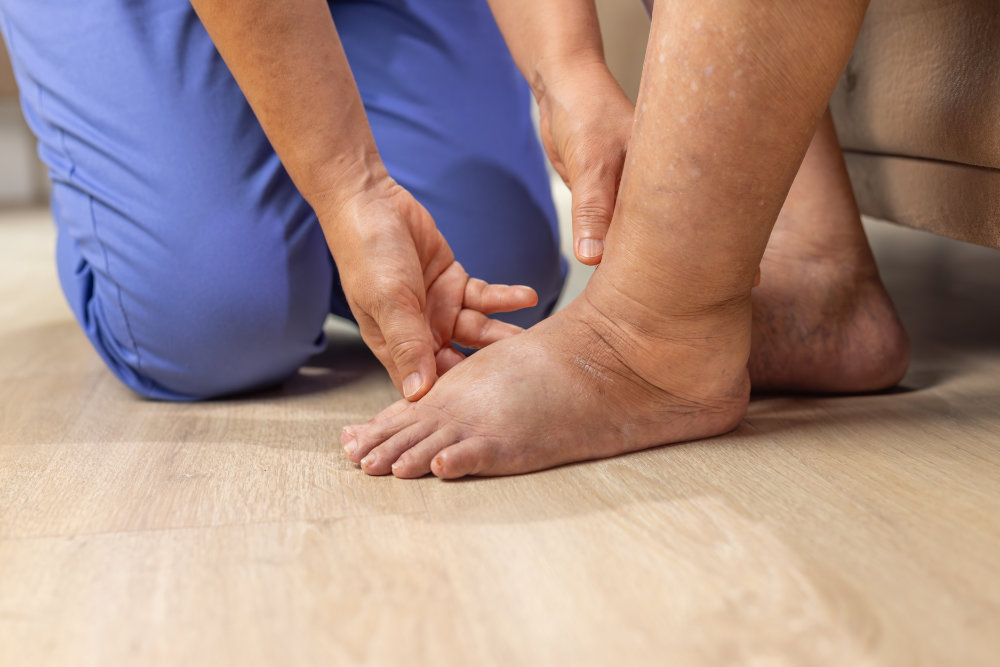
Your lymphatic system is a network of vessels and nodes that runs parallel to your circulatory system. The lymphatic system’s job is to collect excess fluid from your body’s tissues and return it to the bloodstream. When this system is damaged or does not develop properly, that fluid has nowhere left to go. It accumulates in the soft tissues (most commonly in the arms or legs), causing persistent swelling that does not resolve with rest or elevation, the way ordinary swelling might.
This is the defining characteristic of lymphedema: it is not ordinary swelling. It is a chronic condition rooted in a damaged or insufficient lymphatic system, and requires a fundamentally different approach to treatment than the swelling caused by a long day on your feet or a salty meal. Understanding this distinction is the first and most important step toward getting the care that will actually help.
The Two Types Of Lymphedema
Lymphedema comes primarily in two forms. Knowing which type you have shapes everything about how it is managed. Primary lymphedema results from an abnormality in the lymphatic system itself: vessels that are absent, underdeveloped, or malformed from birth. Symptoms can appear in infancy, during puberty, or even in adulthood, which is part of why it so often goes unrecognized. Because it develops gradually and seems to appear out of nowhere, many patients assume the swelling is simply a normal part of aging or weight gain.
Secondary lymphedema is more common and develops as a result of damage to a previously healthy lymphatic system. Cancer treatment, particularly the surgical removal of lymph nodes or radiation therapy, is one of the leading causes. Infection, trauma, chronic venous disease, and inflammatory conditions can also be responsible. If you have a history of cancer treatment and have since developed persistent swelling in a limb, secondary lymphedema should always be part of the diagnostic conversation.
The Symptom Most People Dismiss
The most commonly ignored early sign of lymphedema is a feeling of heaviness, fullness, or tightness in a limb (often before any visible swelling is apparent). Patients frequently describe a sensation that their arm or leg feels “different” without being able to say exactly why. Clothing or jewelry may feel tighter on one side, skin may feel firmer than usual when pressed, etc.
These subtle early signs are the body’s way of signaling that the lymphatic system is struggling to keep up with demand. Because the changes are gradual and the symptoms easy to rationalize, most patients wait too long before seeking evaluation. By the time swelling is visibly significant, the condition has typically been present for a while and the window for the most straightforward management has narrowed.
Why Lymphedema Is Confused With Other Conditions
One of the most consequential things no one tells lymphedema patients is how easily the condition is mistaken for something else. Chronic swelling in the legs is often attributed to venous insufficiency, heart or kidney problems, or simply excess weight. While these conditions can all cause swelling and may even coexist with lymphedema, they require different treatment strategies. Treating venous insufficiency alone when lymphedema is also present will produce incomplete results and leave the patient wondering why they are not improving as expected.
The distinction between venous swelling and lymphedema is not always obvious on examination alone, which is why specialized evaluation matters so much. Dr. Harper and our experienced team are trained to recognize the signs that differentiate lymphedema from other causes of edema and to identify when both conditions are present simultaneously (a situation known as phlebolymphedema, which is more common than most patients realize).
Management Of Lymphedema
Unfortunately, there is no solid cure for lymphedema but there are ways to manage this condition. This is perhaps the hardest thing to hear and also one of the most important. Lymphedema is a chronic condition, which means there is currently no procedure or medication that will restore a damaged lymphatic system to full function. But here is what that does not mean: you have to live with worsening swelling, recurring infections, discomfort, or a diminished quality of life. With the right treatment approach, most patients with lymphedema achieve meaningful, lasting relief.
Complete Decongestive Therapy, also known as the gold standard in lymphedema management, combines manual lymphatic drainage, specialized compression bandaging, therapeutic exercise and meticulous skin care into a comprehensive program that can dramatically reduce swelling and help patients maintain those results long-term. The earlier this treatment begins, the more effectively it controls the condition and prevents the progressive skin and tissue changes that make later-stage lymphedema far more difficult to manage.
The Skin Complications No One Warns You About
Left unmanaged, lymphedema does not simply produce ongoing swelling. The chronic accumulation of protein-rich fluid in the tissues creates an environment that is unusually hospitable to infection. Cellulitis (a bacterial skin infection) is a frequent and serious complication of poorly controlled lymphedema, and repeated episodes can further damage the lymphatic vessels, accelerating the progression of the condition itself.
Over time, the skin in the affected area can undergo significant changes: thickening, hardening, and developing a texture sometimes described as resembling the skin of an orange. In advanced cases, the tissue can become fibrotic and much harder to treat. None of this is inevitable, but it is the direction lymphedema tends to move without proper intervention, which is exactly why early diagnosis and consistent management are so consequential.
You Deserve The Right Treatment Plan
If you have been living with unexplained swelling, recurring heaviness in your limbs, or a diagnosis of lymphedema that came without a clear path forward, our team at Vein Specialists of the South is here to help. Our board-certified specialists bring more than 25+ years of experience and the diagnostic precision of accredited ultrasound technology to every evaluation. We take the time to fully understand what is driving your symptoms and to build a treatment plan that is designed specifically for you.
Lymphedema is manageable. Quality of life can be preserved and protected. But it starts with getting the right diagnosis and connecting with providers who understand this condition in depth. Do not wait for the swelling to worsen or for an infection to force the issue.Call Vein Specialists of the South today at (478) 743-2472 or complete our online form to schedule your consultation. Let us help you get the answers and the care you deserve and take the first step toward Better Veins for Life®.