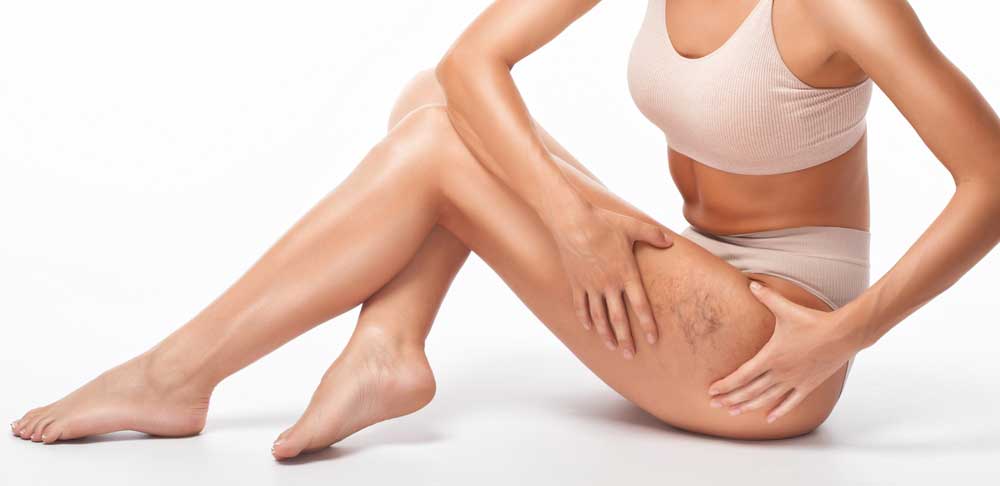
If you have treated spider veins before, seeing new ones appear can feel frustrating and confusing. Many patients wonder whether the treatment failed or whether the same veins are returning.
Whether or not spider veins can return is not a simple yes or no matter, because specific conditions affect your likelihood of experiencing this issue again.
Spider veins can return in the sense that new ones can develop over time. But in many cases, the veins you are seeing now are not the same ones that were treated before. Understanding why this happens is the key to managing them long term.
Can Spider Veins Really Come Back After Treatment?
Properly treated spider veins are very unlikely to reopen. Treatments like sclerotherapy close off the vein so the body can naturally absorb it.
However, your other veins are still influenced by the same conditions that caused the visible spider veins in the first place. Over time, new spider veins can form in nearby areas or different parts of the legs.
That does not mean your treatment failed. It is a sign that your body is still dealing with the underlying issue.
Spider veins are also extremely common. Studies show that up to 41 percent of women develop lower-limb spider veins, and when smaller veins are included, prevalence can reach as high as 85 percent in women and 80 percent in men. For many patients, this is not a one-time issue but may require ongoing management.
Why Spider Veins Can Come Back
There is rarely just one cause. Most cases of recurrence stem from a combination of factors that continue to affect your veins even after treatment.
Underlying Venous Insufficiency
One of the most important causes is chronic venous insufficiency (CVI). This happens when valves in deeper veins stop working as efficiently as they should.
Instead of moving blood upward, those valves allow it to fall backward and pool in the legs. Over time, that added pressure pushes into smaller surface veins, making them visible.
Even when spider veins are treated successfully, that pressure can still be there. And when it is, new visible veins tend to appear.
Genetic Predisposition
Genetics plays a major role in vein health. If spider veins run in your family, you are more likely to develop them over time.
Treatment can remove what is visible, but it cannot change how your veins are built. That is why new spider veins often show up in similar areas or patterns and why addressing the underlying circulation issues, not just the surface veins, is key to longer-lasting results.
Hormonal Changes
Hormones can affect how veins function. Estrogen and progesterone can relax vascular walls, making them more prone to dilation. Pregnancy, menopause and hormonal medications can all contribute to new spider veins by increasing pressure and altering circulation.
Lifestyle Factors and Aging
Daily habits and natural aging both contribute to recurrence over time.
Prolonged sitting or standing allows blood to pool in the legs, while inactivity reduces circulation. Added weight can also increase pressure on the veins.
At the same time, aging causes veins to lose elasticity and valve strength, making it easier for new spider veins to develop. These changes happen gradually, and over time, they add up.
Incomplete or Surface-Level Treatment
In some cases, recurring spider veins may be due to incomplete treatment rather than true recurrence.
Spider veins are often connected to underlying feeder veins. If these veins are not treated, they can continue supplying blood to surface veins, causing them to reappear.
Additionally, multiple sessions are often needed for full clearance. Stopping treatment too early may leave behind veins that become more visible later.
How Vein Specialists of the South Helps Prevent Spider Vein Recurrence
If spider veins keep returning, it often means the underlying cause has not been fully addressed. Vein Specialists of the South focuses on treating both visible veins and the factors that contribute to their development.
Through our Better Veins for Life® protocol, patients receive personalized care designed to improve circulation, reduce venous pressure, and support long-term results.
Comprehensive Vein Evaluation and Diagnosis
Effective treatment starts with understanding the full picture of your vein health. We perform detailed evaluations that assess both visible veins and underlying circulation.
When needed, advanced ultrasound is used to detect venous insufficiency and hidden feeder veins. This allows us to identify the root cause and plan treatment more effectively.
Treating the Root Cause
Spider veins are often a symptom of deeper circulation issues. Treating only the surface veins may not prevent new ones from forming.
By addressing underlying vein problems first, we reduce the pressure that leads to recurrence, helping patients achieve longer-lasting results.
Personalized Treatment Plans for Long-Term Results
Each patient’s vein health is different. We customize our treatment plans based on anatomy, risk factors, and goals.
This approach ensures that both existing spider veins and contributing factors are addressed together, rather than relying on a one-size-fits-all solution.
Advanced, Minimally Invasive Treatment Options
We offer minimally invasive treatments designed for effective results with little downtime. Sclerotherapy remains the gold standard, closing treated veins so the body absorbs them. For underlying vein issues such as venous insufficiency, we offer endovenous treatments including VenaSeal and Varithena, which close off problematic veins at the source. Combination treatments are often used for optimal results.
Ongoing Prevention
Maintaining results requires ongoing care. Our Better Veins for Life!® protocol includes guidance on lifestyle habits that support vein health as part of a comprehensive, long-term approach.
As part of our Comprehensive Vein Care℠ protocol, patients receive personalized recommendations based on their specific vein conditions and risk factors. Patients may be advised to stay active, maintain a healthy weight, avoid prolonged sitting or standing, elevate the legs, and use compression when appropriate. These strategies help reduce strain on the venous system and slow the development of new spider veins.
Take the Next Step Toward Better Looking, Better Feeling Legs
Recurring spider veins do not mean treatment has failed. In many cases, they indicate an underlying issue that requires a more comprehensive approach.
At Vein Specialists of the South, care goes beyond surface-level treatment. Using advanced ultrasound technology, our board-certified specialists identify the root cause of vein issues and create personalized treatment plans designed for lasting results. With decades of hands-on experience and thousands of procedures performed, we bring a deep understanding of both diagnosis and treatment planning.
With locations in Macon and Warner Robins, convenient, high-quality vein care is within reach. If you notice new spider veins or symptoms such as aching or swelling, early evaluation is key. Call (478) 743-2472 or request a consultation online with Vein Specialists of the South to embrace Better Veins for Life®.